How to use local knowledge, student networking and budget-friendly options to explore northern Europe. – A guest post from Ashton Perry
As an Amazon Associate I earn from qualifying purchases. At no additional cost to you, this post contains links that I may receive commissions for upon qualifying purchases. To view my full Affiliate Disclosure Page please click here.
Scandinavia is a vast region of untold natural beauty spreading out over hundreds of thousands of kilometres. Entrenched with a deep cultural history, the three core nations of Sweden, Norway and Denmark offer the wayward soul a chance to truly engage with a huge range of natural wonders and marvels. From the artic and awe-inspiring fjords of Norway that cut back and forth coastline along the nation’s borders, the mountainous northern tundra of Sweden with its breath-taking scenes and ample ski opportunities, to the low lying archipelago cities of Stockholm, Sweden and Copenhagen in Denmark. Scandinavia offers a kingdom of natural beauty and cultural hotspots for the adventurous to view, and this was exactly what a group of friends and I decided to do in the summer of 2018.
I had been living in the student town of Orebro for several months up to that point and having just completed my studies, I now looked forward to a month of no classes, assignments or project research in the warming latter days of May. With the goal of seeing as much of this beautiful region as possible, a group of friends and I discussed a road trip from our home base of Orebro down to Denmark’s beautiful and trendy capital of Copenhagen, up the western coastline towards Gothenburg and back. The only obstacle to our summer road trip? The cost.
As many know, the cost of living in Scandinavia make it one of the most expensive regions in the world even when just visiting. The cost of coffee (a staple of most Scandinavian diets) can cost upwards of £4 in most restaurants, while high taxes on alcohol makes bar visits a frightening prospect for the student visitor on a budget. So with very little money on hand after our time studying, but armed with the local knowledge we had been gifted by friends and teachers, we set out a plan that would allow us to travel the sunny south and coasts of northern Europe on a shoestring budget. In this guide I aim to help you understand how we used our local knowledge of the region, as well as a few other tricks we picked up along the way to engage both with the natural beauty of the region as well as some of its most unique cultural hotspots.
Travel and Accommodation – A Cost in Two, A Solution as One
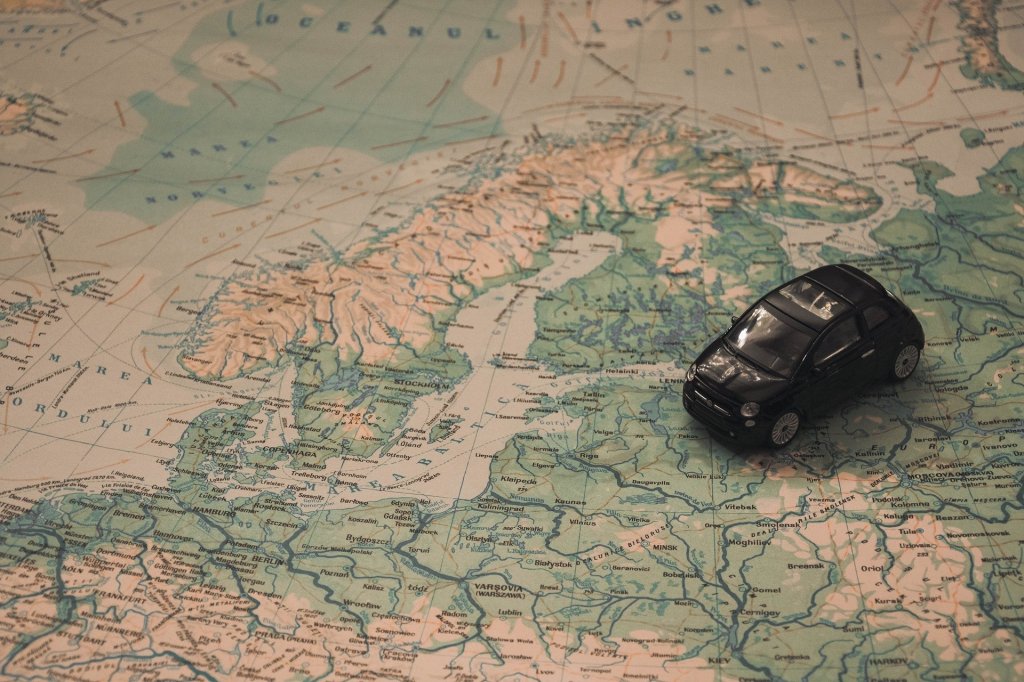
While looking at some of the key destinations we aimed to visit we saw that our major issue was going to be both reaching the destination and then finding a location to stay. Many of the natural beauty locations we aimed to see had hundreds of miles between them, combine this with the fact that they were often in remote and isolated locations meant that in most cases no “usual” sense of accommodation existed. No boutique hotels or countryside campsites like you would find in say England’s Dales or Lake District but rather just a series of trails and carparks clustered around lakes and hiking routes. However, this proved to be a benefit for us and the style of traveling we hoped to carry out, as we centred our journey around Sweden’s Allemansrätten, meaning everyman’s right, a custom protected under law that gives all people the right to roam free in nature. Sleep on mountain tops, by the lakes, in quiet forests or beautiful meadows – in the allemansrätten nations of Norway and Sweden, nature is your hotel for the night.
So, with that idea in mind, we all clumped what little we had of our budgets together and rented the smallest car available that would fit a group of four, piled the boot full with some basic camping necessities and set out, planning on using the warm weather and rest camps of Sweden’s expansive national parks as our rest stops on our first leg of the journey south, to Copenhagen.
Now I know for many, the concept of driving in Europe can be daunting, however, Scandinavia makes this in most cases more of a treat than the daily slog commuters have become accustomed to. Sweden is lined with long and open modern highways connecting its larger cities and in the south quaint and quiet country lanes that you are more likely to find a cyclist on than a car jam of campervans and SUVs, allow access into the heartland of Sweden’s natural beauty. After a few hours driving, we reached a location that had a suitable number of green clumps on google maps (yes, this was how we usually picked our camping spots) we picked the first named location and googled it. Voila, a map highlighting a “rest camp” appeared before us, nestled on the shoreline of one of Sweden’s marshes and designated bird conservation zones. The Swedish countryside is littered with locations like this, some containing nothing but a fire pit and a wooded cover, others having small “public homes” for hikers and campers to rest around, and on this occasion we were lucky enough to fall upon the latter.
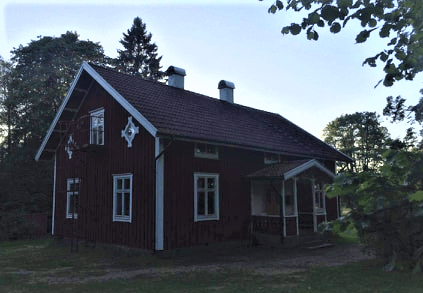
Painted in the traditional falu red this Swedish rest cabin proved to be our home for the night.
Lacking any sort of tent these rest cabins provide the perfect overnight stop for the minimalist road tripper and though it contained no formal sense of bedding, a few roll mats and sleeping bags laid out on the floor by the cabins log burner provided us with the perfect shelter we needed. After a hearty dinner cooked on the rest camp’s outside fire pit, we set off into the marshes just before sunset to try and carry out some last-minute exploring. We found ourselves dancing to Darude Sandstorm as we used the wooded walkways that crisscrossed the marsh, exhausted and slightly mosquito-bitten we returned to the cabin and fell asleep to the crackling log stove.
The next day we continued onwards for several hours across the marsh ways in search of birds and wildlife. The Swedes love of access to nature means that many of its parks are in areas that can sometimes be untraversable for most humans but an extensive park management program has put an end to this problem with the construction of raised wooden walkways through marshland, pathed trails across mountain ranges and so on. Sweden provides the opportunity for those that love nature to experience all aspects of it.
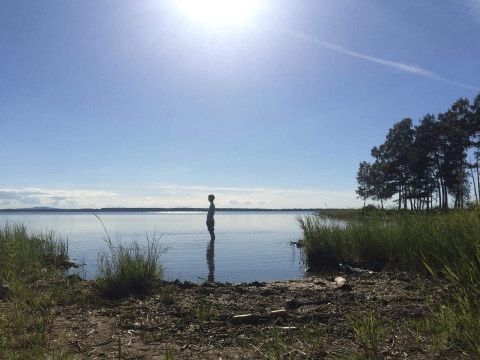
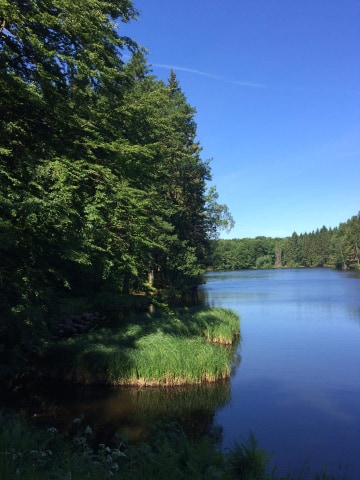
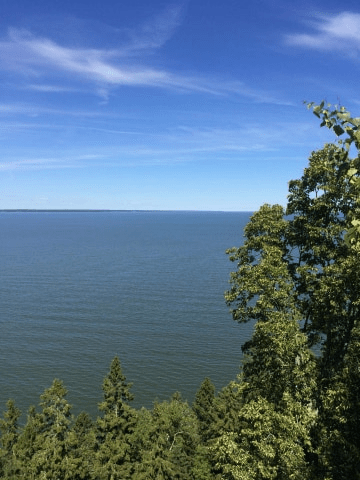
And so our journey continued like this for a while, from one local to the next we made use of Sweden’s extensive parks and green zones to visit a variety of sights, we stopped along multiple rest spots at Vättern, Sweden’s second largest lake. With the freedom to move along its shoreline we hiked the high trails surrounding its edges as well as dipping our feet in the shallows at the southern tip of the 1,800 square kilometre lake, the blazing sun made every day the perfect opportunity to take in the crystal-clear waters.
Our Unconventional and Cheap Accommodation Solutions
Now while many of Sweden’s parks and beauty spots have the rest cabins discussed earlier, this is NOT the case for all. Which is where our one solution idea stepped in again. We had planned to use the car as an emergency shelter for the night if the need ever occurred, ambitious since we had rented the smallest car we possibly could and aiming to stick to our minimalist goals, no back up tents where acquired. Rather, we got hold of a small foam mattress and cut it to fit into the back along with some roll-mats as top padding, providing us with a perfect if slightly cramped bed for the night. Warm and bug protected, our car gave us the mobility we needed while always ensuring we had a place to stay for the night, and while we had to cover fuel costs, we had saved hundreds of pounds by eliminating the need for traditional accommodation. Our handy little camper car conversion became a home from home during our days on the roads of southern Sweden.
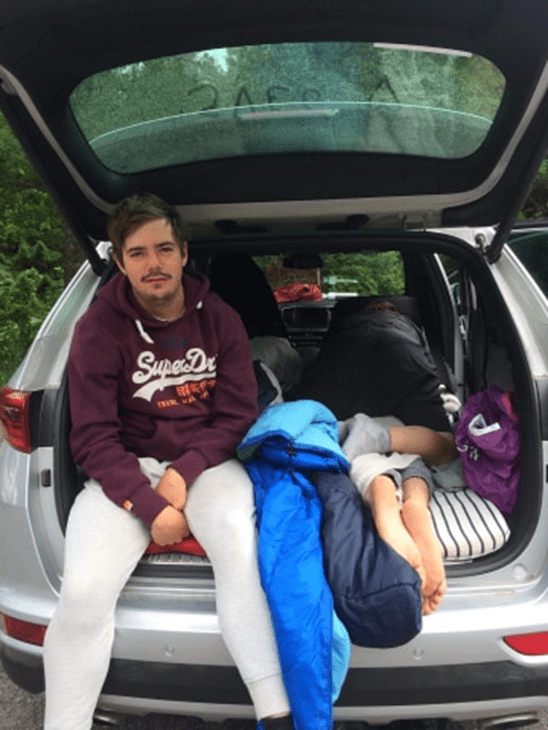
While this worked well in the free access country of Sweden, we knew that unless we fancied the idea of several nights cramped in a car in a public car park, we had to figure out another solution for our accommodation in the city of Copenhagen, so as we crossed from Malmo along the Öresund Bridge we turned to our second plan for the trip, student networking.
As part of our study aboard terms, we had used a variety of buy and sell groups aimed at our “student section”, think of them as social societies for academic majors. Our group was the internationally recognised Erasmus student network which was developed to assist international students all over the globe, but these groups exist for all kinds of student groups throughout much of Scandinavia. Thanks to our connections we were put in contact with a student that rented us her dorm room for our stay in Copenhagen at a very budget-friendly rate.
Now I know this was an incredibly lucky outcome for us and many of you will be thinking “well I don’t know any of these types of groups!” Thankfully a problem easily overcome as a quick search on Facebook brings plenty of these groups up, including ones focused on apartment rental. The rental system for students in Scandinavia is often much more relaxed than it would be in your average UK academic institution. With a significant lack of overbearing student rental companies or heavy-handed landlords with an obsession for deposit hostage holding, students in the region are viewed as renters and as such have the right to use the property as they wish, to certain limitations of course. As such, many students make use of this freedom to cover costs while they are away and pages like the ones pictured below are filled with postings looking to rent out often centrally located student accommodations for travellers looking for both short and long stays.
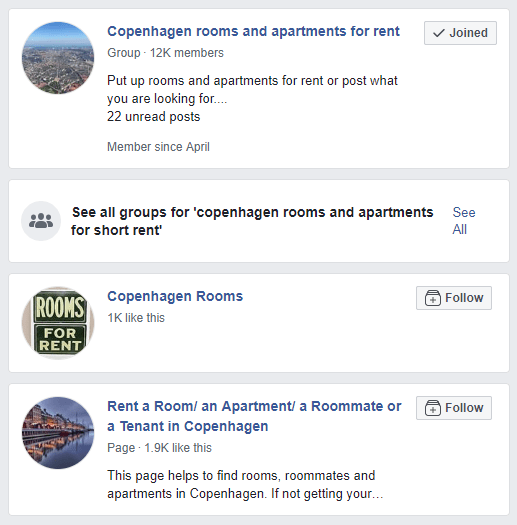
Groups like this allow the minimalist traveller on a budget to find a base of stay within a city that provides more amenities and a sense of comfort that a lot of hostels cannot cater for. Is it worth the effort of searching if you are only going to stay for a few days? Maybe not, but if you plan on spending time exploring the city like we hoped too, then a student rental is the perfect space to call your own. It provides comfortable lodgings in a secure environment with all amenities needed, often in a central location to match!
Living Larger for Less
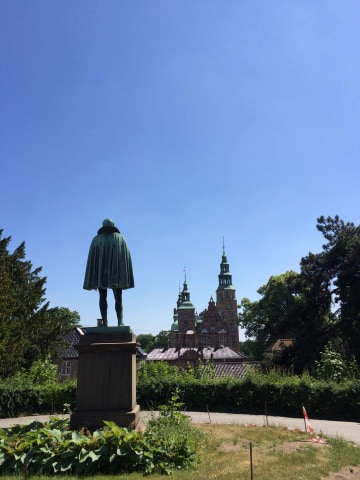
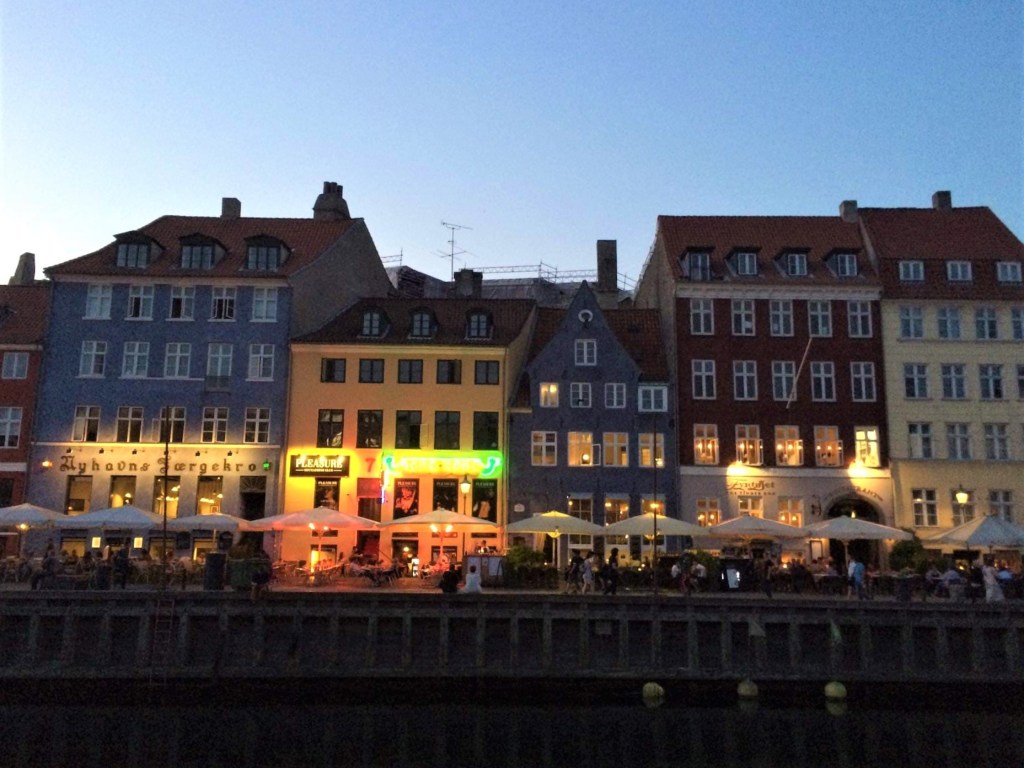
So with bed space set, we went out across the city, looking to take in the sites, culture and hopefully some local food while at it, and along the way thanks to some help from local students we learnt a few tricks that can help you explore Copenhagen!
#1 You Can Probably Find a Free One
Copenhagen tries to allow all access to its sites and cultures, while many locations and tour companies will offer you a variety of guided tours throughout the city, Sandemans offer a free three-hour city walking tour every day in the summer months, with each tour starting at the City Hall steps at 11.00 in the morning. A team of knowledgeable local volunteers will lead you to key sights such as Tivoli Gardens, the Danish Royal Palace, Frederik’s Church and provide a local’s insight to the city. If you feel your guide did a great job (which ours certainly did) then make sure to leave a tip in appreciation!
As one of the most enlightened cities of Europe, Copenhagen also has an array of free museums and galleries such as the National Museum of Denmark, which hosts excellent exhibits on ancient Viking culture all the way to ancient Roman artefacts. For those with a more artistic side, the National Gallery is certainly worth a look with collections from traditional local and European artists through the years and a large and colourful Modern exhibit.
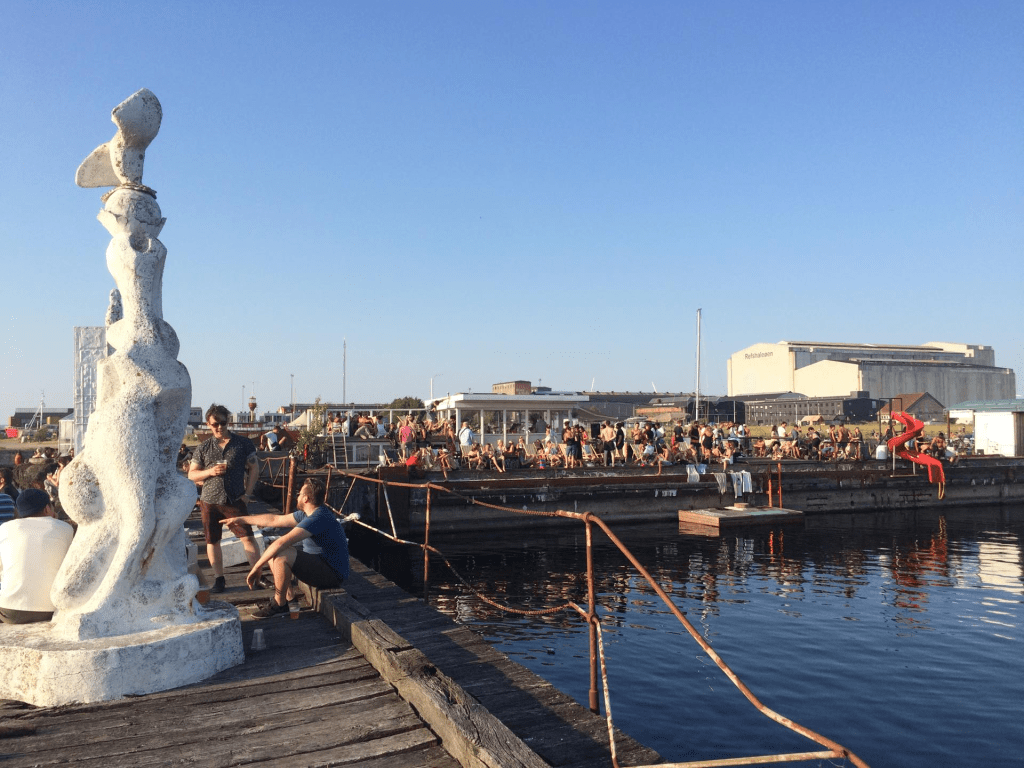
Several other Copenhagen attractions are free one day of the week or at special times. It is always worth checking with the tourist office or website to see what sights are open, giving you a great opportunity to try out new things on your journey as well! As part of our trip, we found a free day party on the city’s dockside that had local artists perform throughout the day, and it didn’t cost a penny, so make sure to take advantage of Copenhagen’s many free events!
#2 Take in The Green and Great Outdoors
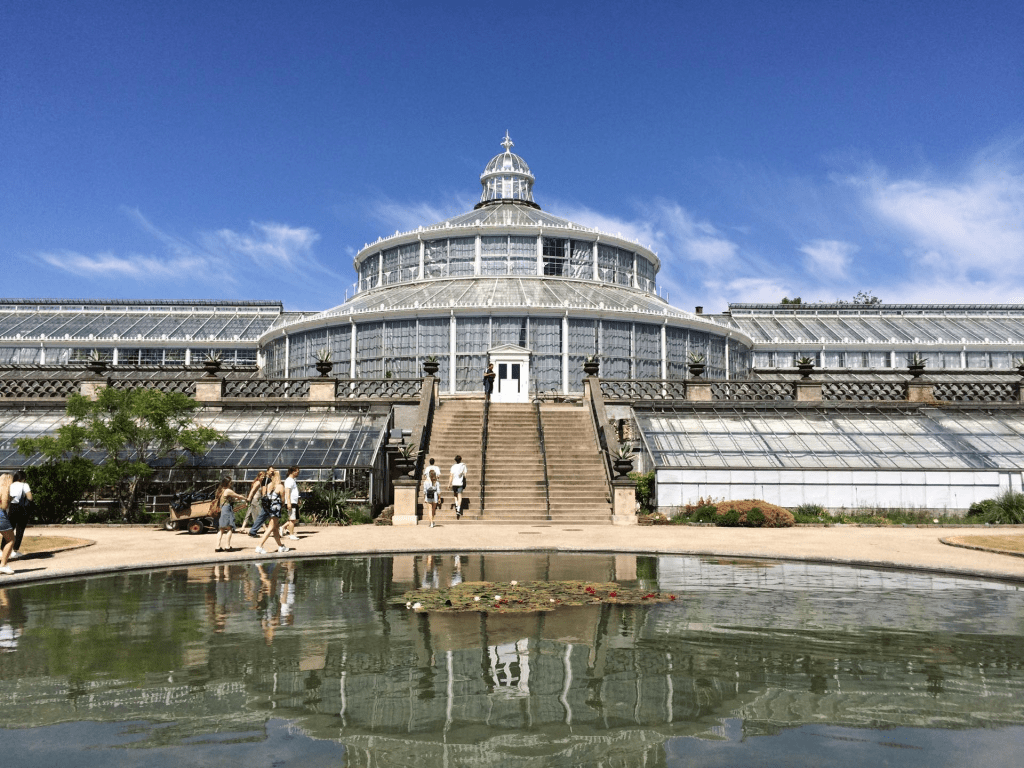
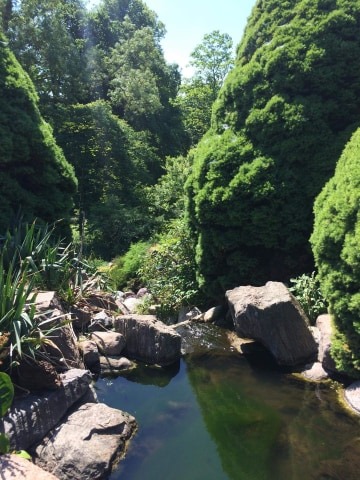
Copenhagen boasts several parks and public gardens that are free to enter, many host free live concerts in the summer months. However, the most impressive green space in the city is the Botanical Garden. This huge public green zone opened in 1870 and spreads across 10 hectares placed right in the city centre with countless open garden spaces to explore. Luckily for those caught on a rainy day, there is also a series of glasshouses to explore with more than 13,000 species on show and are just as impressive as buildings themselves, dating back to 1874.
#3 Visit Free-Spirited Christiania
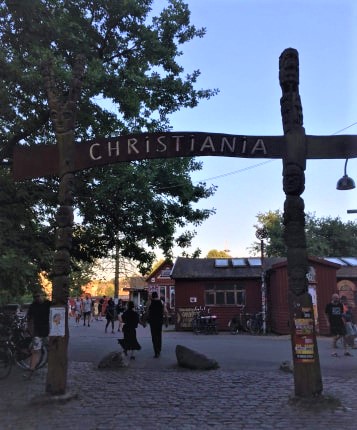
A gloriously unique, self-proclaimed autonomous district of Copenhagen. This relaxed commune started life as a hippie squat on a military camp in the 1970s but is now a fully-fledged alternative community that is officially recognised by the local authorities. Open-minded visitors are welcome and there is no entry charge. There’s a lake, bars, workshops, galleries and a huge variety of creative homes built along the shoreline that provide hours of viewings for those with the will to wander. The area also has a large indoor skate park and a variety of art displays spread throughout the area and at night in the summer it becomes a bustling nightlife spot with many gathered outside the famous Café Nemoland and the communes stage in the centre square, where free shows are often played for the crowd. The welcoming and liberated feeling of this place makes it a spot to stop no matter what and it is an excellent place to take in the city’s vibrant culture at any time. If you’re hungry make sure to get a smorrebrod at Th.Sørensen which has the best price for this local snack.
#4 Food Glorious Food
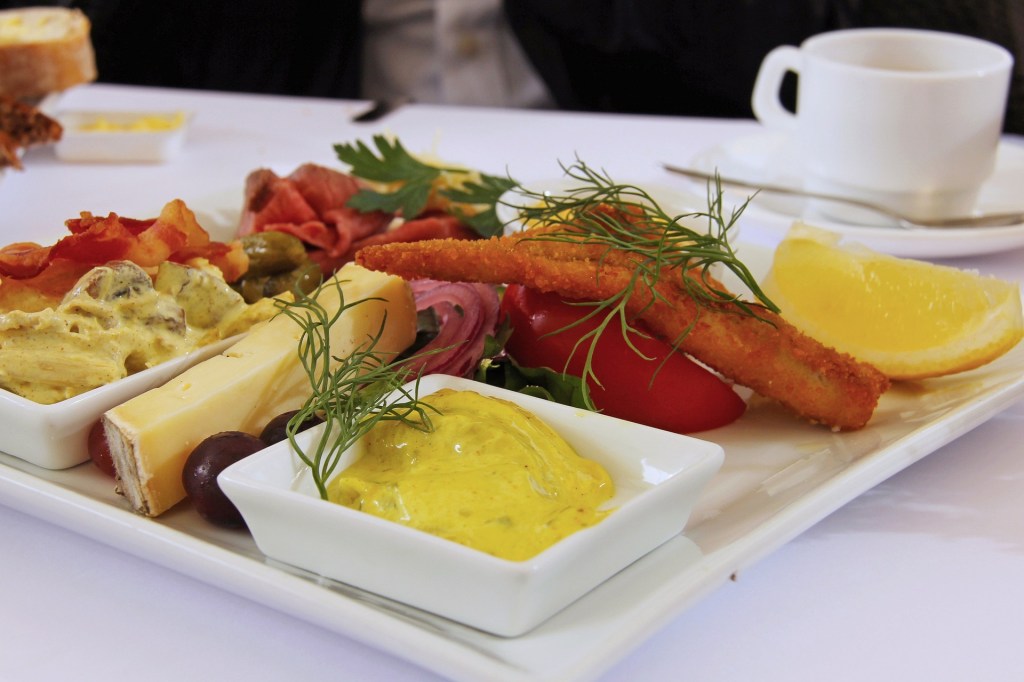
Copenhagen is a food fans delight and the city has become known for bringing the New Nordic Cuisine to the forefront with the city containing a great number of high-end Michelin-starred restaurants, however it doesn’t require a small state budget to take in the city’s foodie scene as the local side is huge and far less wallet breaking. Locals have a lot of love for street food but held in highest regard is the hot dog sausage, a super tasty treat but also a cheap solution to fill hunger while roaming around the city as it is covered in hot dog stands. You have to try the most renowned sausage in Denmark, the rød pølse (red sausage) which is usually served inside a fresh bun with ketchup and mustard on top.
The Smørrebrød is another classic Danish dish which started out initially as a Danish farmers’ lunch but is now Denmark’s traditional dish and a local favourite delicacy. The open-face sandwich consists of a slice of rye bread with fish or meat, vegetables, and sauce on top. Almost every restaurant in Copenhagen serves a variety of the Danes’ beloved meal throughout the day and you should make sure to try it on your trip! As mentioned before at Th.Sørensen near Christiania you can get a well-priced and delicious Smørrebrød.
During the 1960s and early 1970s, like many European nations, Denmark accepted a great number of Turkish and Pakistani refugees many of which went on to open their own restaurants and brought a taste of Middle East to Copenhagen. As such, durum shawarma is one of the most popular dishes in Denmark and the main street Nørrebrogade brims with durum restaurants that serve some of the most amazing wraps I have ever had.
#5 Explore The City by Bike
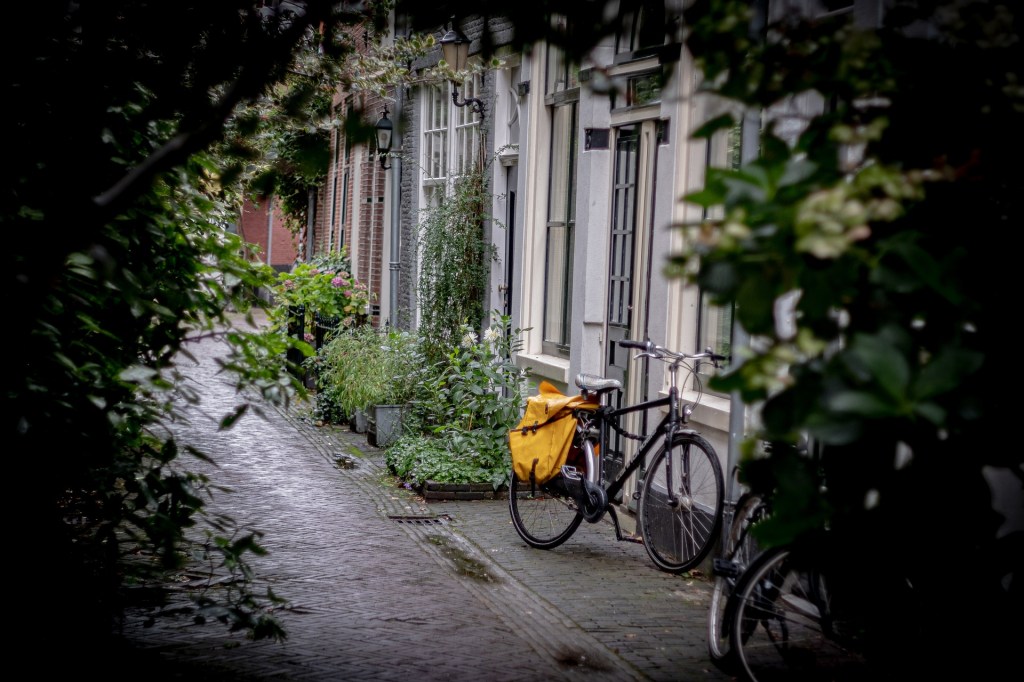
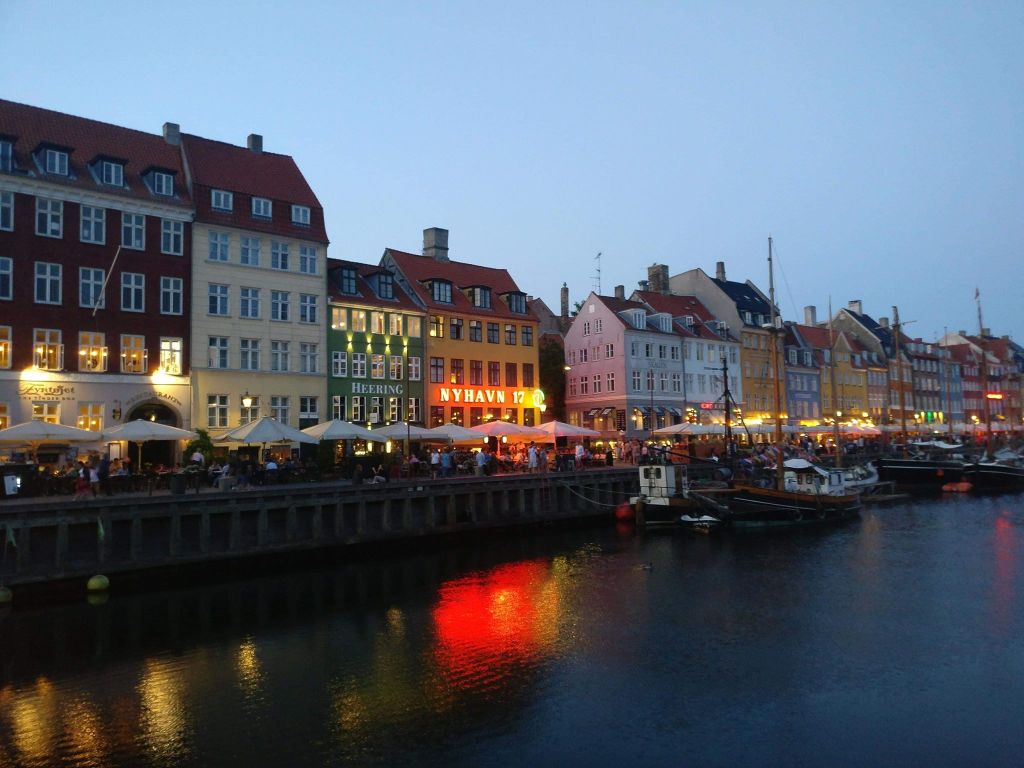
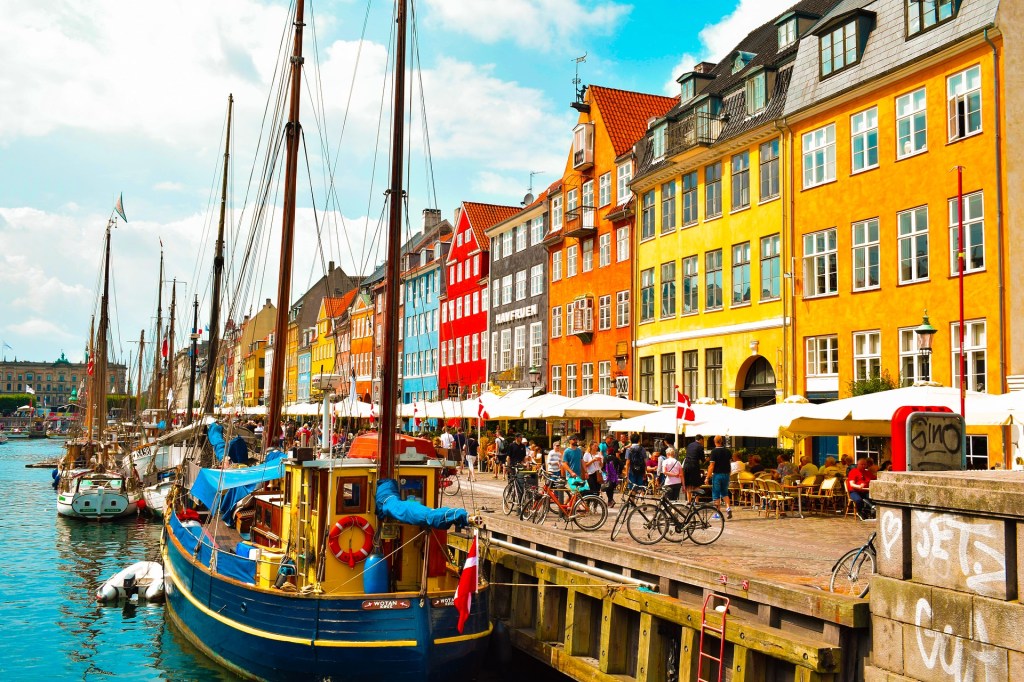
Copenhagen City Bike offers a brilliant bike scheme that provides you with a quick, easy and convenient way to get around the city and take in the sites, as every bike is fitted with a GPS-enabled tablet your chances of getting lost are limited unless you want to! One-hour costs only 25DKK which is around£3 and you can turn up at one of the numerous bike stations with a credit card, but I would recommend doing what the locals do and save time by registering online in advance. Make sure to use your time on the bike to explore the winding streets and canals of the city. Make sure to visit sites such as Nyhavn which is the city’s iconic 17th-century waterfront canal and entertainment district, it is lined by brightly coloured townhouses as well as a series of bars, cafes and restaurants, while the canal harbours many historical wooden ships that add to the view.
Make sure to use the bike to check out the world-famous Tivoli, also known as Tivoli Gardens, which is the second-oldest operating amusement park in the world as it opened in 1843, as well as taking the time to visit the iconic Edvard Eriksen “little mermaid” statue set on the waterline of the Langelinie promenade.
#6 Wanting to Take in The Nightlife? “Road Beers” Are Your Friend
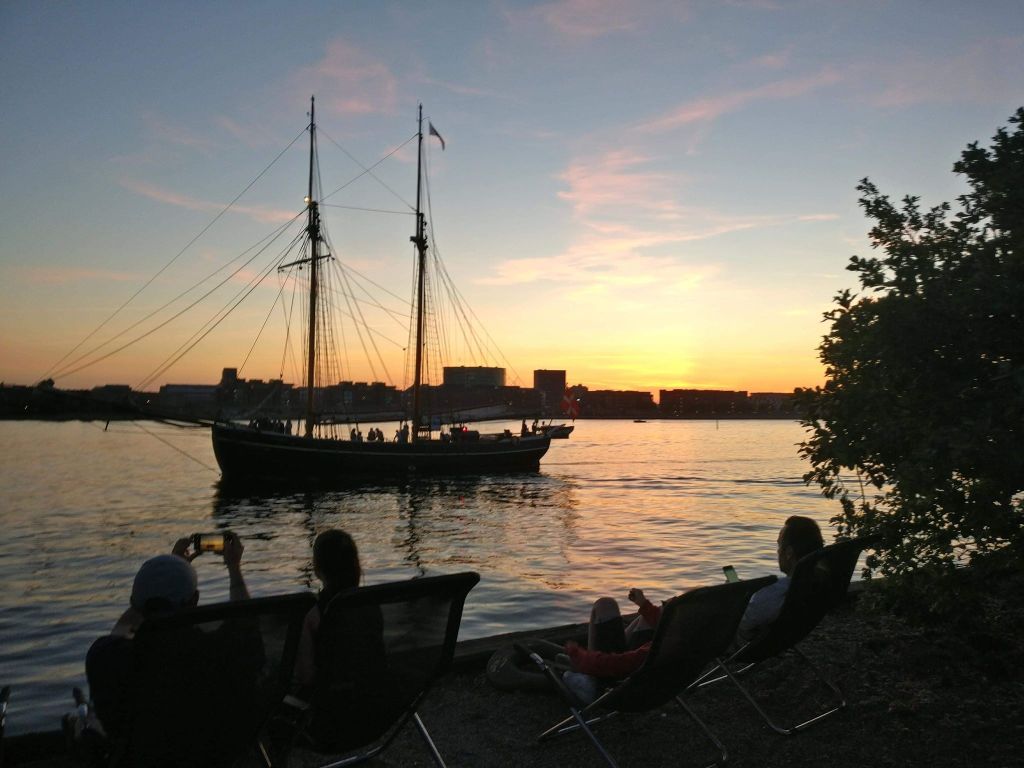
Like its other Scandinavian neighbours drinking alcohol in Copenhagen is incredibly expensive when you limit yourself to the usual lines of bars and clubs. In a way to get around these high price ranges many Danish citizens engage in public drinking, not only is street drinking legal in Copenhagen, it’s socially acceptable and nearly encouraged so long as you keep the peace and remain respectful. On our trip we wanted to visit a local club and so headed to the dockside for a few drinks beforehand that we had bought from a local corner store and soon found ourselves joined by a mix match of other clubbers doing much the same. This gave a sort of street party effect as the groups chatted and intermingled before heading off to their final destinations. We reckoned as a group we had saved around £40 each just by having our drinks before we hit the bars and “road beers” provide a far more economical alternative to the bar crawling many associate with a typical night out.
Closing tips
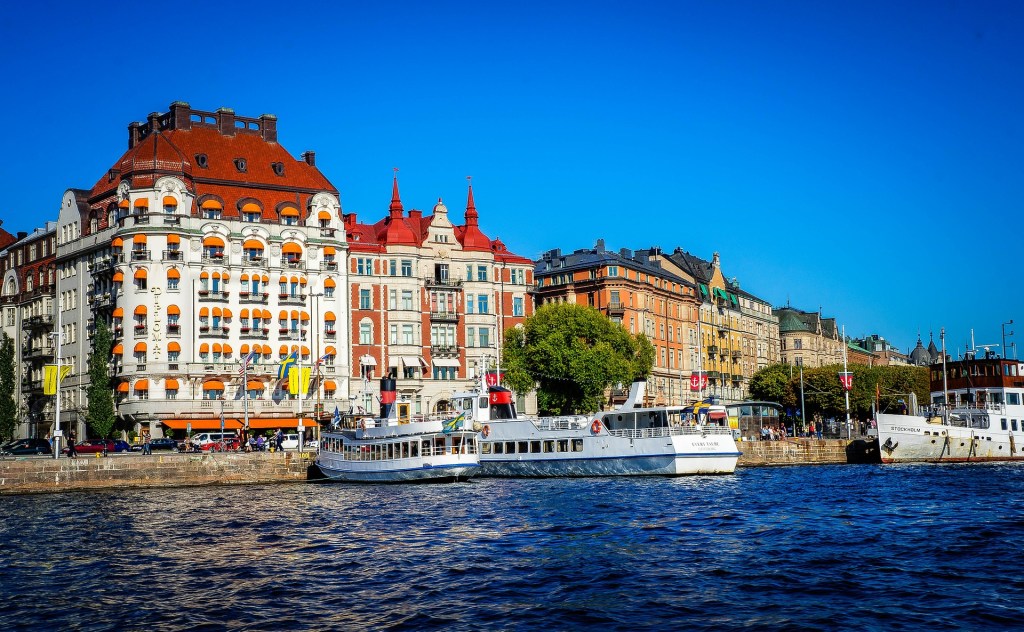
The remainder of our journey was spent traveling along the west coast towards the city of Gothenburg and as much of our trip was the same as the first half I’ll spare you the details and summarise some of the key points we found that helped keep our trip cheap and flexible.
While Scandinavia can cost a fortune, we covered how to reduce costs by cutting out accommodation and transportation, but food is another heavy cost especially if you limit yourself to only eating out on your journey. We decided to bring a small pot and camp stove with us to help our budgets and let us eat whenever we found our camp spot for the night, this kept our food price well within our budget for the trip. However if you buy meat, make sure to use it soon and expect to pay a little more for it than you are used too in the UK. We mostly stuck to vegetable chilli’s as it was quick to cook, cheap to buy and long to spoil, I can’t recommend this enough if you aren’t planning on packing a cumbersome cooler in the car.
Finally, make sure to have a small electric charger kit that can charge your phones and other necessary electronics while the car is driving, otherwise you may find yourself in the midst of Swedish countryside with no means of finding a spot to spend the night or finding your way onwards.
No matter what you decide to do or where you decide to go in Scandinavia isn’t really important in the end. The country is beautiful, vast, progressive and open, this makes it a haven for those free souls seeking a nature-focused adventure that does not require a well-planned schedule but rather goes when you do and gives you the power and the flexibility to decide. By following just a few of these simple tips you can avoid the eye-watering costs that are usually associated with the nations of the North.
 Off The Trails