As an Amazon Associate I earn from qualifying purchases. At no additional cost to you, this post contains links that I may receive commissions for upon qualifying purchases. To view my full Affiliate Disclosure Page please click here.
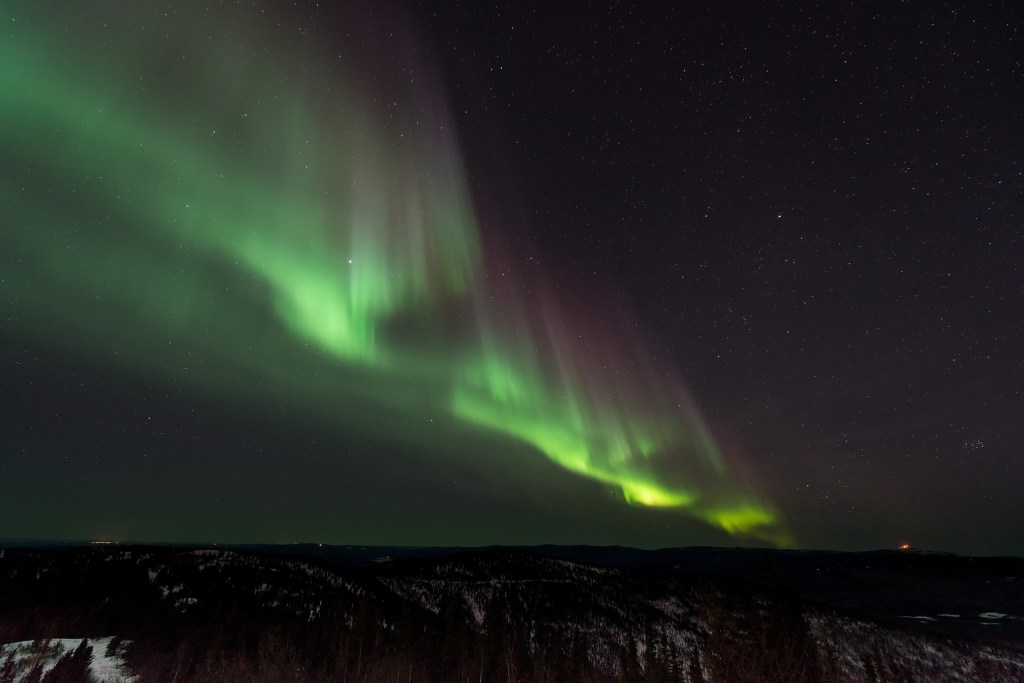
The Arctic circle is the line around the most northern part of the earth, at the northern top of our sphere. The latitude for the Arctic circle is 66° 33’45.9” north of the equator, it defines the furthest southern point of which the sun stays either continuously below or above the horizon depending on the time of year. The area inside the circle is considered “Arctic”. During the height of summer, the sun never sets within this area and during the depths of winter the sun doesn’t rise above the horizon. The Arctic is home to long dark winters where the sky is lit up by the northern lights and the home of long bright summers with midnight sun.
There are many reasons that you may want to hop over the Arctic Circle and explore the environment that the northern latitude has to offer and it is not as hard as you may think, however, it is extremely important that you are prepared. Whether you want to see the circle during the depths of winter where the sun is just as rare as the lynx that roam the land, or you want to go during the summer where hikes at midnight bring constant sunshine, it is important to plan your trip well. In this article, we will discuss exactly how to prepare for an Arctic exhibition and where in Europe you can enter the circle.
Where is the Arctic Circle Located?
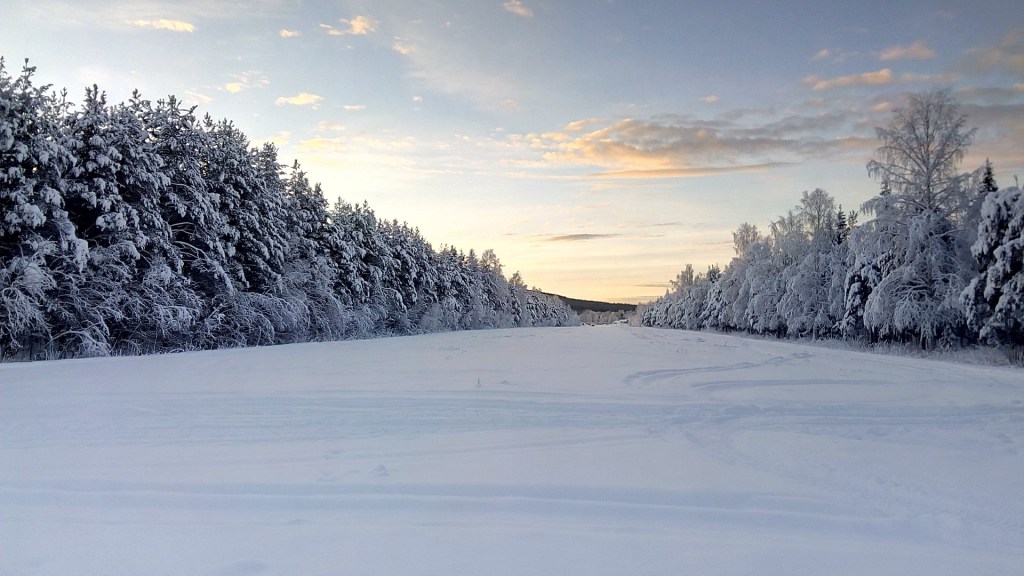
The Arctic circle is 66° 33’45.9” north of the equator and can be accessed from all around the word however today we will be looking at the Arctic environment accessible from Northern Europe. Norway, Sweden, and Finland offer the traveler many miles of arctic tundra to explore and all hold either small cities, towns, or villages that provide plenty of accommodation as a base for exploration.
If you head into the Arctic during the winter, you will find next to no daylight and potentially none depending on when you arrive. This makes it perfect for observing the northern lights. Although it is a gamble on whether you will see them during your trip you can boost your chances by heading far north into Sweden’s Abisko, Norway’s Tromsø, or Finland’s Utsjoki. If you head into the Arctic Circle during the summer, you will encounter the midnight sun. When does the midnight sun come out? – The perfect time is between late May and Mid-July, however when as far north as Abisko or Tromsø, the midnight sun lasts longer. The further north you go the better your experience will be, especially if you climb to a peak to watch the summer sunset – where the sun kisses the horizon before rising in the sky again.
You have a few options when exploring the Arctic or Lapland/ Finnmark as it is known in these Northern European countries. You can either spend a considerable amount of money on a guided tour or cruise or you can plan well, save yourself some money and use your initiative and research skills to plan your own venture. Personally, the latter option is a preferred choice and I have been into the Arctic Circle myself with careful planning and preparation. It is very achievable and not as scary as you might think.
Countries in Europe Where You Can Visit the Arctic Circle
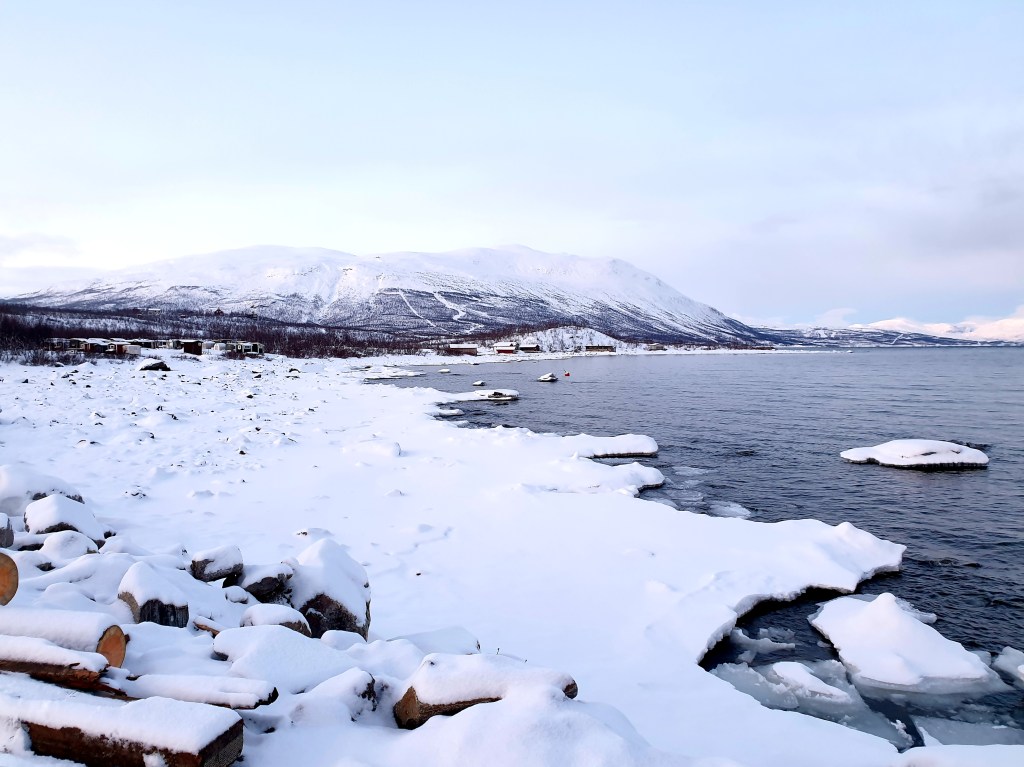
As I mentioned earlier the Arctic can be accessed from all over the world but the easiest and cheapest way to access it for anyone in the UK or Europe is to venture into Scandinavia or Finland. All three countries (Norway, Sweden, and Finland) offer unique experiences and the landscapes and activities differ dramatically from country to country. Here is a brief overview of the three countries and what they have to offer in terms of Arctic landscapes, activities and who they are suited for.
Arctic Circle Norway
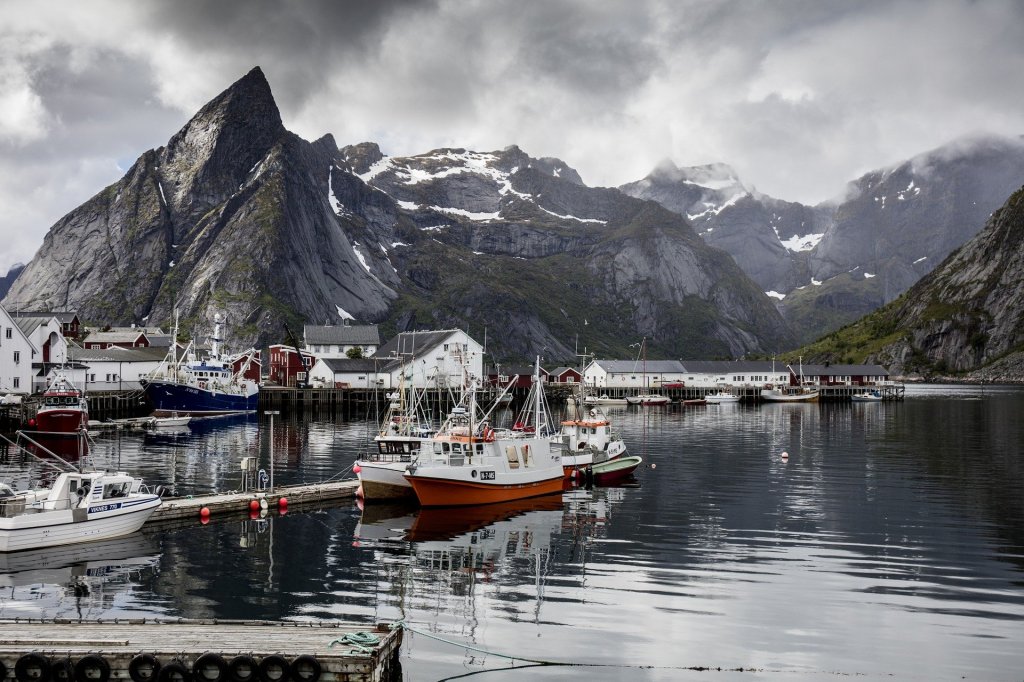
The Arctic part of Norway is located in the northern regions of Nordland, Troms and Finnmark. The area Known as Finnmark is also known as Norwegian Lapland, this region borders Russia and Finland. If you want to see the midnight sun in Norway during the summer, then Troms and Finmark are the best places to experience it. On the other hand, during the winter both of these areas are the best places in Norway to experience the Northern Lights also known as the Aurora Borealis.
If you want to experience the midnight sun on a mountain climb or see the Northern Lights over a stunning fjord lined with high mountain peaks, then Norway is the place to go. Perhaps you are the adventurous type that loves to hike and experience beautiful, rugged landscapes, if this is the case then this part of the Scandinavian Arctic is the place to be.
Arctic Circle Sweden
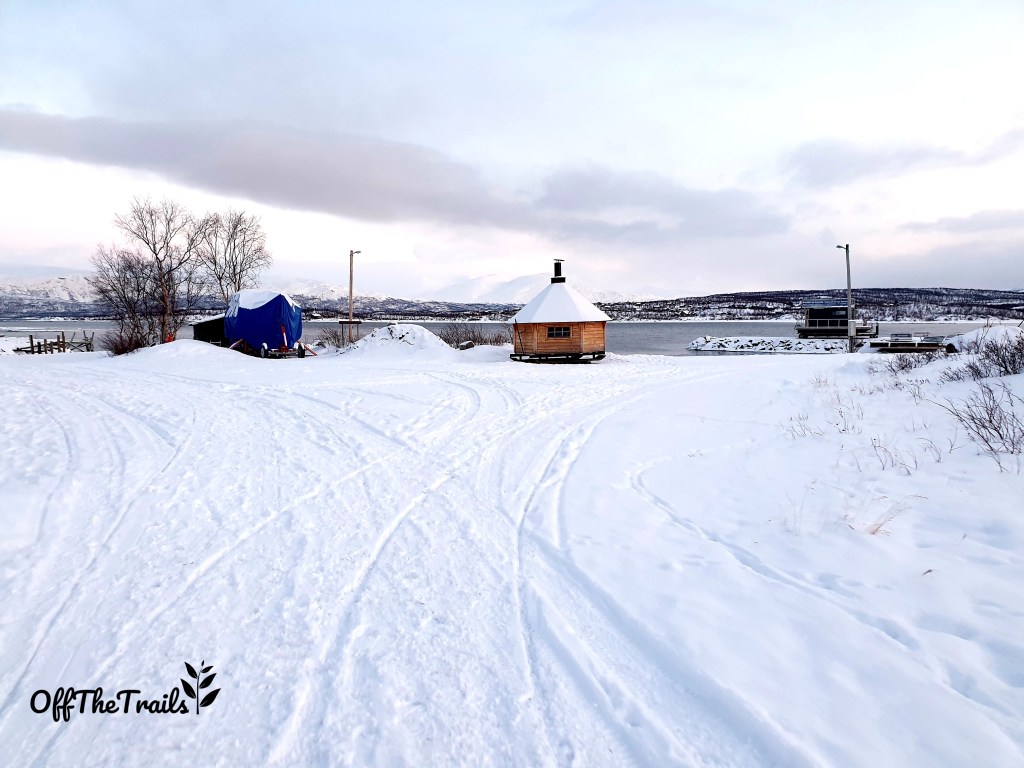
The Arctic Circle in Sweden is located in the Northern parts of Sweden that border both Norway and Finland. This is a largely flat area of Arctic tundra that receives heaps of snow and drops to temperatures below -30°C every winter. This is the place for you if you want to experience the native Sami culture, see large arctic lakes, or go skiing on the round topped, snow-covered mountains that Sweden has to offer. There are plenty of Sami camps and open-air native museums to experience here with my favourite being in Jukkasjärvi – if you want to find out more about this then check out Why You Should Take a Trip to Swedish Lapland.
Swedish Lapland is full of wildlife and it is not uncommon to see Moose venturing through the sparse tree cover and open landscapes. If you are the nature lover then this is the place for you, whether in the depths of winter or the height of summer.
Arctic Circle Finland
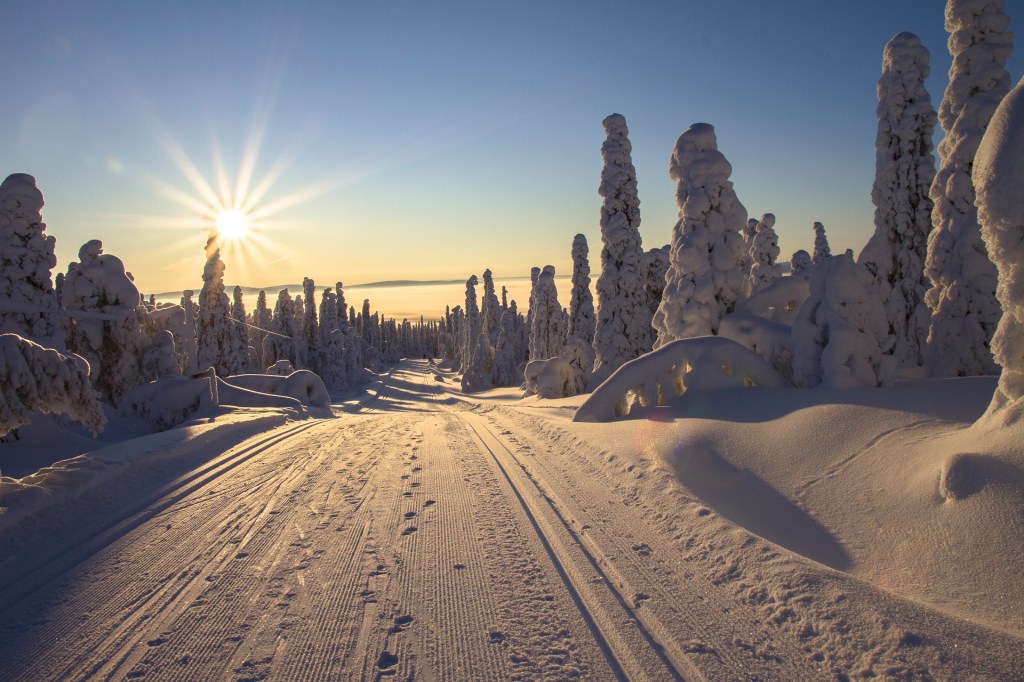
Finnish Lapland is an arctic tundra located in the north of the country and is home to huge herds of reindeer and of course Santa Claus! Finnish Lapland is the perfect winter getaway for the family wanting to experience cozy winter nights in a snow covered cabin and experience the famous Santa Claus village in Rovaniemi. Finnish Lapland is great for Aurora hunters, nature explorers, and families alike.
Finland’s arctic region is as close as you can get to a winter wonderland during the cold months. This is the ideal Winter holiday for families and couples wanting to feel a spark of Christmas magic. You will leave Finland feeling full of festive cheer. During your stay you will experience cozy winter nights by the fire, and if you are lucky enough, you may even experience the wonder that is the Northern Lights.
Arctic Circle Cities
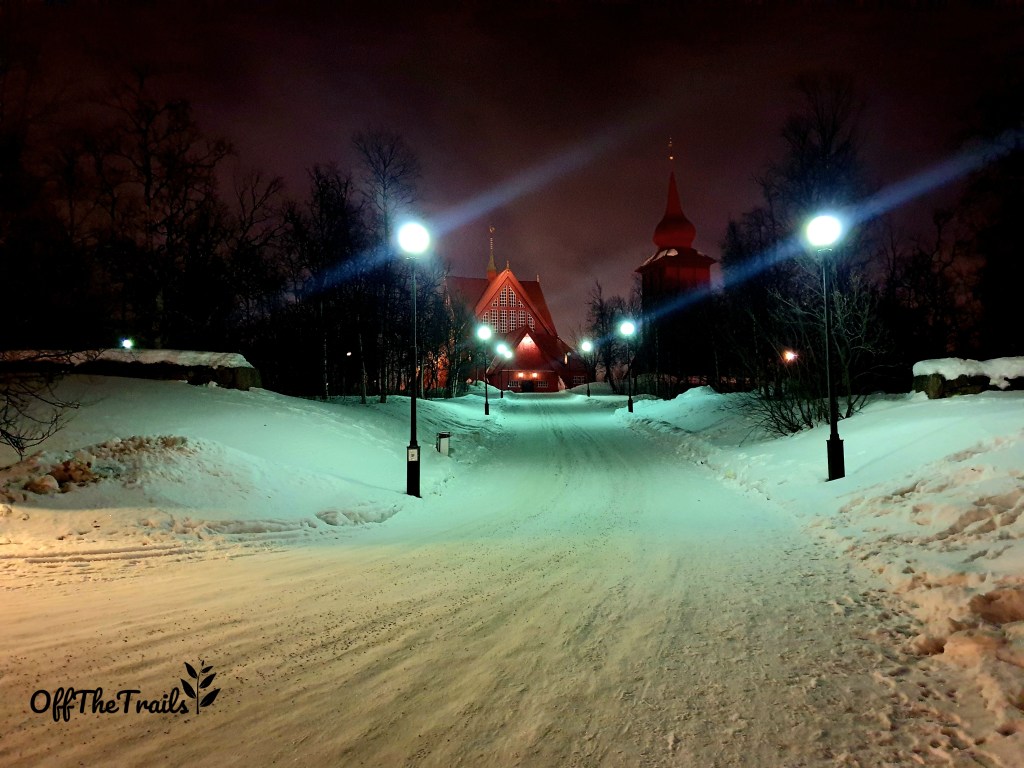
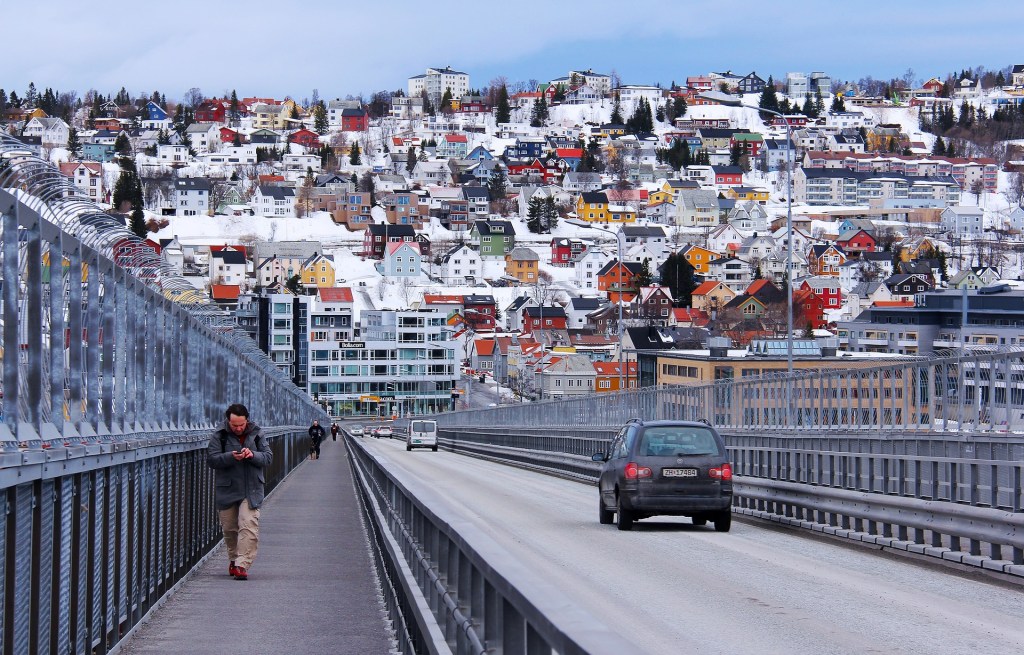
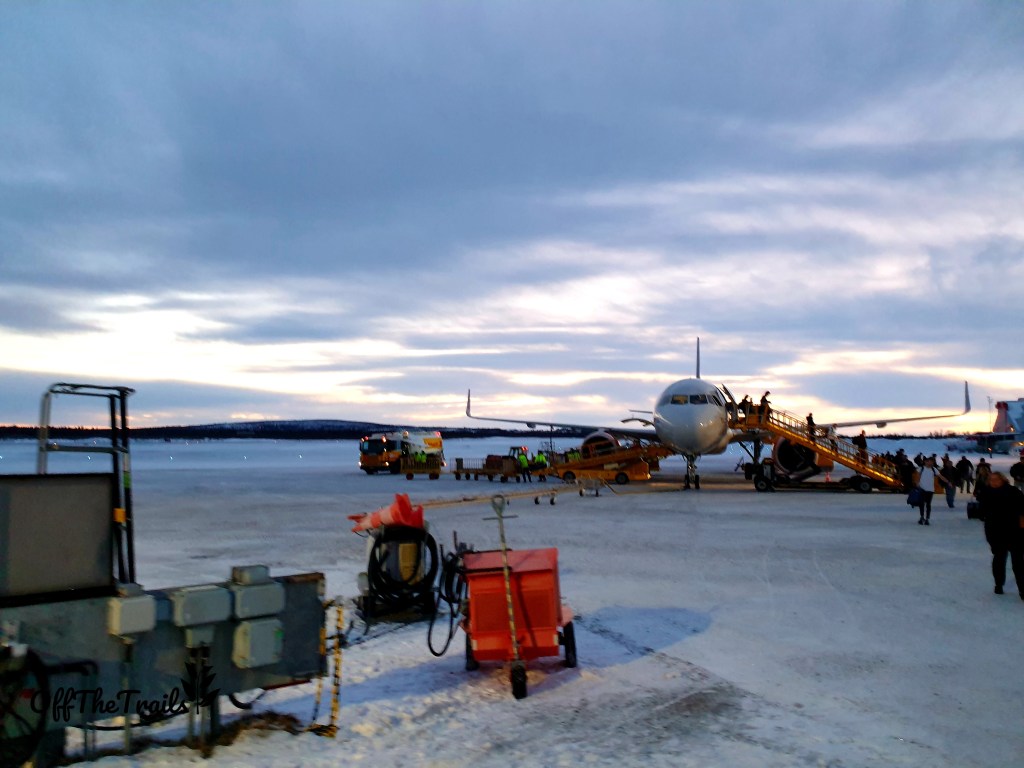
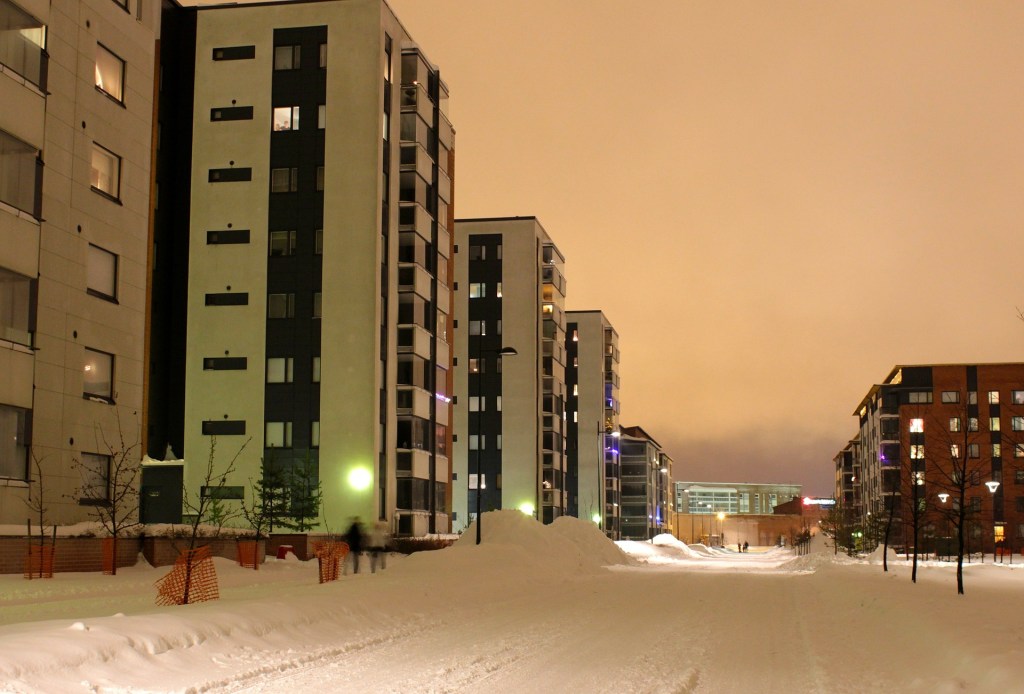
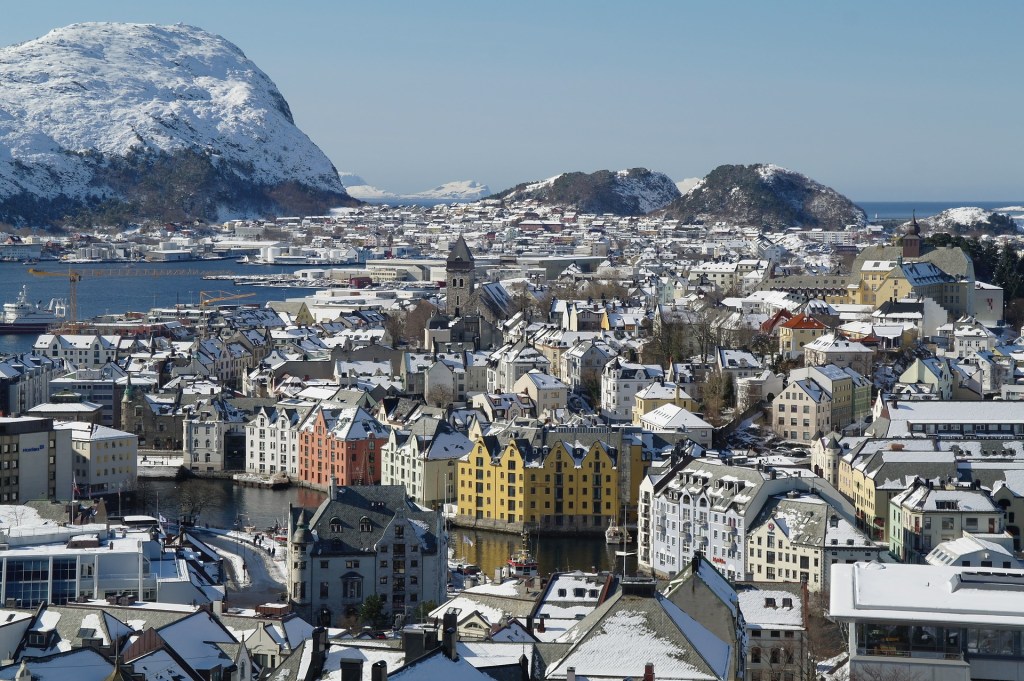
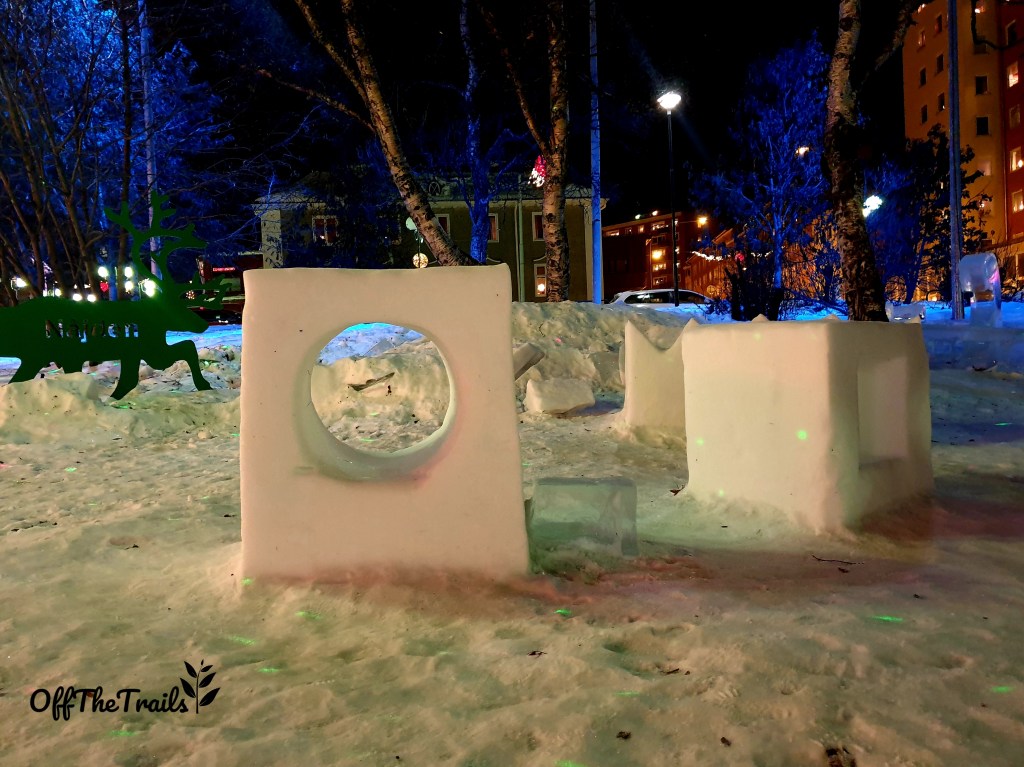
When you are looking for places to stay it is wise to locate yourself within reach of the activities you want to experience. There will be more detail about experiences in our Scandinavian activities article (coming soon) but to get you started and help you research places to stay here is a simple list of locations to base yourself in Arctic Scandinavia.
Norway
- Tromsø – The Gateway to the Arctic, surrounded by water and shadowed by towering mountain tops.
- Alta – The largest town in Finnmark. World heritage site, ancient carvings, Nordic fishing and hunting opportunities.
- Kautokeino – A native Sami Village in the heart of Norwegian Lapland.
- Nordkapp – The Northern Most point of Europe, A rugged coastal municipality.
Sweden
- Kiruna – The Largest city in Swedish Lapland, a mining town that is at risk of sinking! Read more here.
- Abisko – A village and national park in the north of Swedish Lapland, home to Torneträsk, a stunning Arctic lake.
- Jukkasjärvi – Home to the Sami village museum, reindeer herds, and the famous Ice Hotel.
Finland
- Rovaniemi – Home to the Santa Claus village and the famous Arctic Circle line.
- Saariselkä – One of the best Northern Lights destinations in Finland, with Glass Igloo accommodation
- Kemi – Home to the Sampo Icebreaker, a ship built for Arctic exploration. Home to the amazing Snow Castle
Clothing for the Arctic Circle
Winter
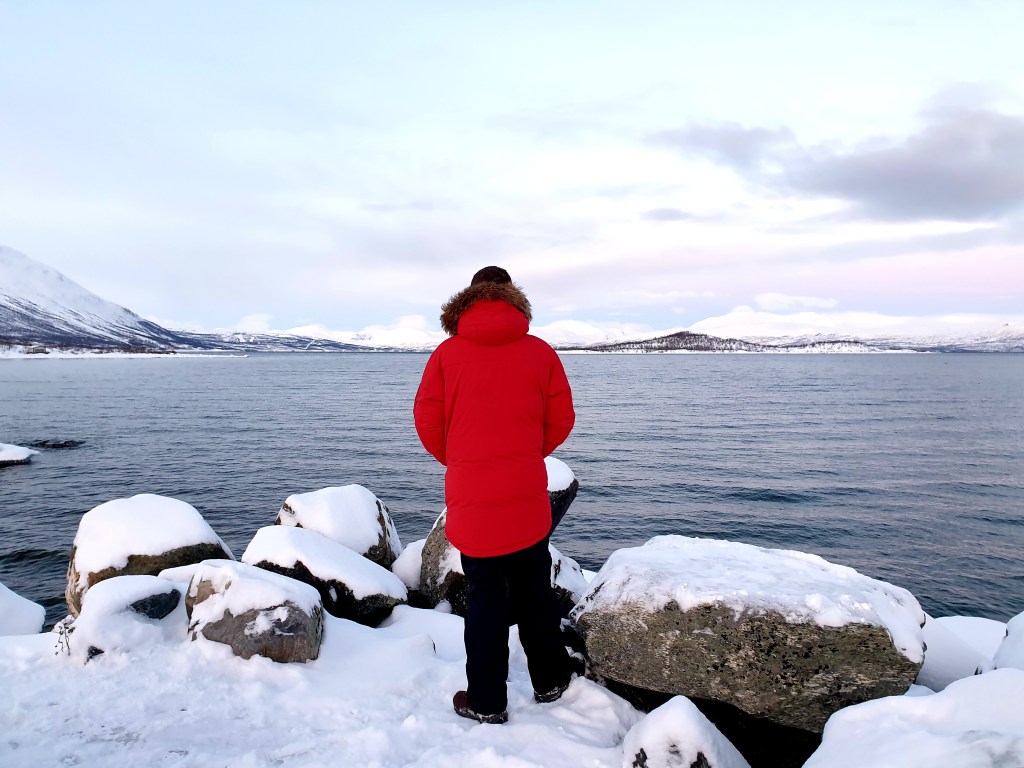
In the winter (depending on the month you visit) it can get as cold as -30°C with over 6 feet of snow! If you head here in the depths of winter you will find you eyelashes freezing up, moisture around your mouth freezing and most annoyingly of all, ice in your nostrils! It is essential that you wear the best clothes for cold climates at this time of year and it is important to know how to layer properly if you expect to hike in these conditions.
Layering is your best bet at such cold temperatures and having a good base layer is the best place to start. You don’t have to spend heaps of money on a good base layer for it to keep you warm but you want to make sure it doesn’t have a high percentage of cotton so it doesn’t hold on to moisture easily. I can recommend the Windchaser Winter Thermal from Amazon as a good option for the explorer on a budget. This base layer is something that I have tried and tested with great results in Abisko, 120 miles into the heart of Swedish Lapland.
Before we move on to the next layer, let’s discuss what kind of hat and gloves you will need. A good thermal beanie such as this heat holder hat will do just fine if you have a waterproof hood on your coat. If you need something a little more weather-resistant, then a trapper hat is a much better option. For gloves it is wise to take a pair of reasonably priced ski gloves such as the Everwell Ski Glove but as I found out, you will want to bring a second set of more functional gloves for walking around town, shorter hikes and taking plenty of pictures. This cheap pair of gloves offer great thermal qualities as well as being smartphone friendly, allowing you to take photos without getting your hands cold.
The next layer in your Arctic outfit is the fleece layer. Tracksuit bottoms and a simple zip up fleece will work just fine for this layer and provide a cost-effective solution. A suitable pair of tracksuit bottoms that you already have or can pick up cheaply will serve you well on a budget. Combining these with a Regatta fleece will work perfectly. Once again, I have tried and tested this combo in Swedish Lapland with great results.
Your final layer of clothing will cost you a little bit more but doesn’t have to be top of the range and expensive either. A good pair of ski-pants with braces is essential to keeping your legs warm and dry, while a good parka or expedition coat will keep your upper body warm and dry. My personal picks are these from Mountain Warehouse as a pair of budget-friendly ski pants and the Clique Malamute as a great expedition parka. You don’t need the best of the best when it comes to parka like the Canada goose, but you may find the Clique Malamute a little heavier as it uses a synthetic insulator. This is a small price to pay for saving hundreds of pounds however. I found this parka kept me warm at temperatures as low as -20°C and even had to unzip it at times throughout hikes as its heat holding qualities were if anything, too good.
Finally, you want a suitable pair of waterproof boots for your expedition. You have a few options here, the first being a well-insulated snow boot and the second being a waterproof hiking boot with crampons for the icier trails. A good set of snow boots that a mountain-loving friend recommend to me are the Salomon X-Ultra Winter Boots. They keep the feet warm and dry while offering maximum grip along even the toughest of winter trails.
Personally, I haven’t tried these as realistically I only get into environments as unforgiving as the Arctic once per year. Instead, I brought my trusty Salomon Quests with me, packed crampons, and some thick insulated socks. When i combined insulated socks and crampons with my Salomons they gave me comfort, grip, and protection from the cold, it was also a bonus that they could be used for hiking back down south as well.
A friend that came with me on my last trip into the Arctic Circle was a little less prepared and wanted a cheap boot that would keep her feet warm and dry. She doesn’t get out on the trails as much as I do so getting a pair of Salomons was out of the question. Instead I looked at some reviews online and found some Northwest Territories hiking boots for under £50, which she ended up bringing for the trip along with some thick socks, this suited her just fine without any complaints.
This is my personal tried and tested budget-friendly arctic outfit. If you would like to see this put all together in a handy table with links to amazon then you can find it in our travelling checklist at the bottom of the article. One extra point to note is although it is cold outside it is far from cold inside! When you head into a local bar, restaurant, or your hotel you will be met with a huge temperature difference, so I recommend getting used to stripping out of your top layer fast. Make sure you bring some casual wear when your inside because there is nothing worse than sitting in a hot Arctic bar sipping a drink in your base-layer.
Summer
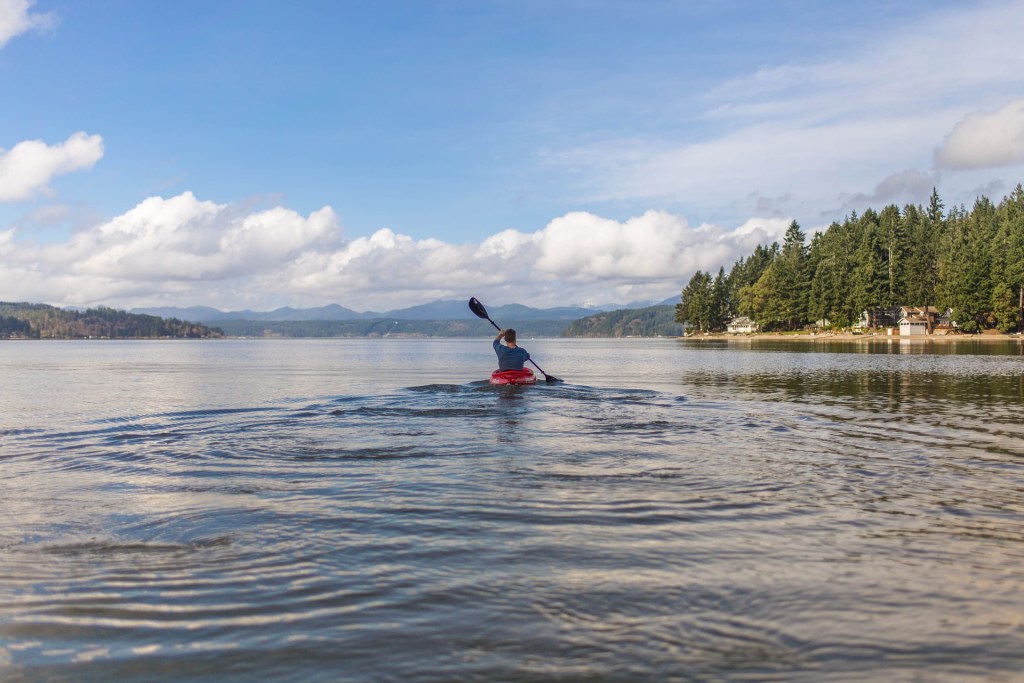
There is less of a need to layer up in the summer months however it is always good to be well prepared for a trip to the far north. Even In the height of summer you can be surprised and caught off guard with the weather. If you are in search of the midnight sun in Norway, Sweden, or Finland it is best to prepare for the worst but also pack for the best. Make sure to bring waterproofs and essential hiking gear but also make sure you have some warm weather kit too.
Your best friend in the summer will be a high-quality raincoat, this will save an otherwise miserable trip. It is not uncommon to see heaps of rain in the north and unless you are very lucky you are likely to get caught out in at least one shower. Ideally, you want something lightweight and functional that will keep you dry without holding moisture in during a hike. I recommend the NorthFace Resolve as an ideal summer coat for Europe’s Arctic lands. Its lightweight design, high waterproof value and breathable lining have kept me dry countless times, not only in the north but down south as well. When you aren’t using the Resolve it wraps up nice and small, so it is easily tucked away in a backpack, making this the perfect coat for the exploring backpacker.
Trousers are another must have. A good pair of hiking trousers such as the NorthFace Explorer Hiking Trousers will keep your legs protected from the elements and any nasty insects. These trousers are breathable, waterproof, and light enough to wear in even the hottest weather you will find within the Arctic Circle. They are thick enough to prevent mosquito and midge bites but make sure you bring a good repellent with you as well; the summer brings plenty of insects with it! Ticks aren’t common in the Arctic areas but if you find yourself travelling further south trousers are best worn over shorts as Sweden and Norway (not so much Finland) have a huge tick problem.
If you are a lover of shorts and don’t mind the insects then a good tactical pair of hiking shorts such as the NorthFace Explorer Shorts will be fine. Personally I would go for the trousers, especially as the NorthFace hiking trousers can unzip into shorts. It can get pretty cold in the north, even during the summer, so if you are thinking about heading into the peaks to catch the midnight sun in Sweden or Norway then I would leave the shorts at your hotel.
As for boots, I can recommend the Salomon Quests or the Northwest Territories hiking boots if you are looking for a budget boot as I mentioned before. I do have two other favourites though; these are both lightweight hiking shoes. During the summer months I favour a hiking shoe over boots. They are super lightweight, comfortable, ultra-breathable and dry out much faster than a boot if you find yourself trekking through a stream or caught out in the rain.
My ultimate top pick is the Salomon X Ultra Hiking Shoe. I wear this shoe every day whether I’m going for a jog, walking in the forest, or heading into the wilderness to tackle a mountain or two. This is the best hiking shoe for the money and Salomon has a reputation for making high-quality, highly-functional footwear. Here in Sweden I wear the Salomon X Ultra Hiking Shoe from late spring to early autumn until the first snowfall comes, I recommend this hiking shoe for any outdoor enthusiast, whether heading into the Arctic or not.
The other option I have for you is the Merrel Moab 2. This is a budget friendly hiking shoe and the very shoe I had before I moved over to Salomon. I can’t fault these at all, but I found after extended multi-day use, they became a bit uncomfortable and wore out quickly. Although I may complain now, they still served me for two seasons of demanding hikes and I enjoyed them, maybe I am biased after wearing Salomons for so long. If you are the budget hiker looking for a summer shoe to take north, this is a quality item for a good price.
Other than the items mentioned above I would bring one or two lightweight long sleeve tops and one or two short sleeve tops suitable for walking or hiking (if that is what you are going for). I would pack some casual wear for indoors and when staying close to your hotel or campsite and I always bring a fleece or two in case I get too cold. The main items to make sure you have are a good boots or hiking shoes, a raincoat, and a decent pair of trousers. Bring a few warm fleeces, a pair of light gloves, and a hat in case it gets cold. Always make sure you have warm kit on you if you are heading into the hills or mountains.
Checkout our handy travelling checklist at the bottom of the article for links to these products on Amazon.
Packing for a Trip to the Arctic Circle
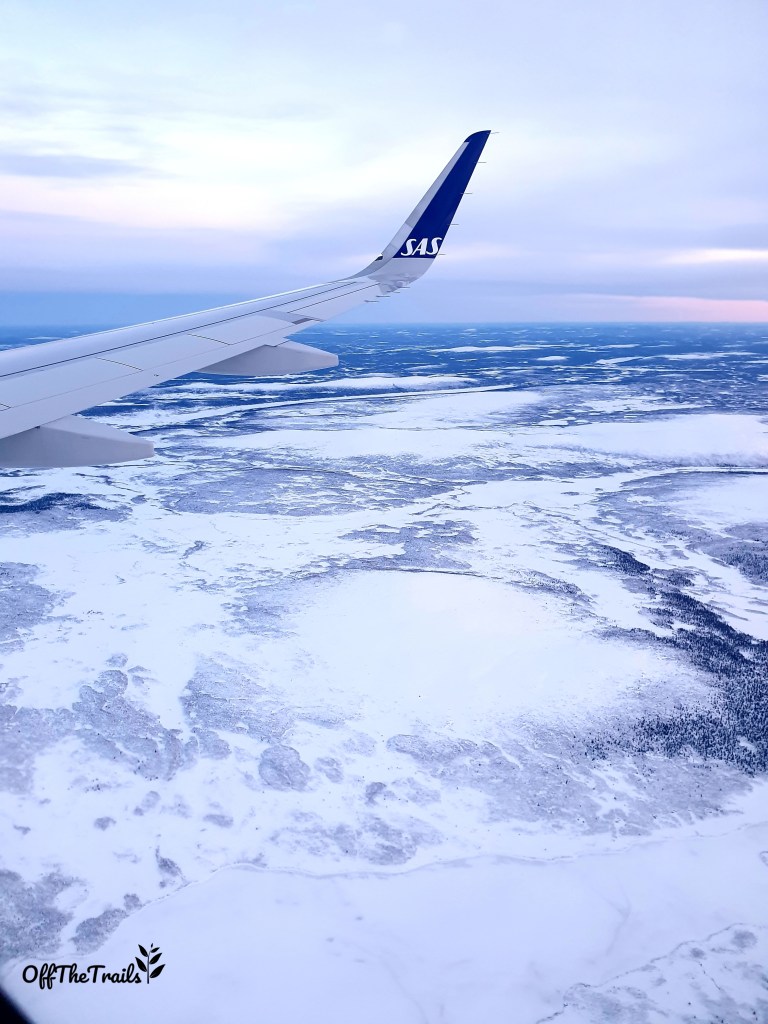
Packing for a trip to the Arctic Circle and everything it holds within its radius really depends on what you are going for and what you expect to do during your stay. It doesn’t matter if you are going during the summer or the winter you need to make sure you bring the appropriate clothing and gear. What you bring depends on whether you are going for hiking, a family vacation, or for a relaxing weekend away in a cabin. It all comes down to common sense but there are a few factors to think about when packing your luggage.
Winter
Pack light and if you are going to bring a suitcase make sure you don’t have to walk to far to your hotel as pulling a suitcase through the snow is almost impossible. At the major airports in the Arctic you will find sleds that you can use to transport you cases through the snow to your transfer coach or taxi, but don’t rely on this and think about the walk from the coach station to your accommodation.
If you are young and willing to carry your luggage, then packing a large backpack for your travels is much more versatile. Having a backpack will make life a lot easier when it comes to trudging through the snow at the airport and to you accommodation. If you are worried about space in your rucksack or lightweight suitcase then I can recommend getting some roll up vacuum packs to save space and organise your clothes. This will free up valuable room and allow you to compress your winter clothing.
If you are looking for a large rucksack suitable for your winter essentials, then I can recommend the Andes 120L. This is a great backpack for transporting your Arctic luggage to and from the airport and has plenty of space for your essentials when you pack it wisely. Make sure to pack a handy day pack such as the Berghaus 24/7 BackPack for days out hiking or trips to Arctic activities.
Summer
During the summer months it is a little less important to pack light. Once the snow has cleared you will be able to wheel your luggage along the road freely. Make sure to bring a nice day bag or if you are multi-day hiking and need camping gear then bring a slightly larger backpack with you as well. If you are looking for a great all in one, I can recommend the Mountain Warehouse Traveller 60 plus 20. This backpack comes in two parts and allows you to attach the day pack to the main rucksack to use as one or detach the day pack from the main and use them separately.
No matter where you are travelling it is important to pack light and wise. Use handy vacuum packing bags to stow away your clothing in a space saving way and ensure you only bring what you need. This will free up precious time when sorting your things in your accommodation and allow you to use the time you have saved for the things that matter, like those mountain climbs in the midnight sun.
Travelling Checklist
Winter
| Product | Category | Price on Amazon |
| Windchaser Winter Thermals | Base Layer | Check Price |
| Heat Holder Beanie | Thermal Hats | Check Price |
| Faux Fur Trapper Hat | Thermal Hats | Check Price |
| Everwell Ski Gloves | Arctic Gloves | Check Price |
| E-touch Light Gloves | Arctic Gloves | Check Price |
| Regatta Thompson Fleece | Second Layer | Check Price |
| Mountain Warehouse Dusk Ski Pants | Outer Layer | Check Price |
| Clique Malamute Parka | Outer Layer | Check Price |
| 18 Teeth Crampons | Arctic Footwear | Check Price |
| Salomon X-Ultra Winter Boots | Arctic Footwear | Check Price |
| Salomon Quest Hiking Boots | Arctic Footwear | Check Price |
| Northwest Territories Hiking Boots | Arctic Footwear | Check Price |
Summer
| Product | Category | Price on Amazon |
| NorthFace Resolve Raincoat | Arctic Summer Coat | Check Price |
| NorthFace Explorer Hiking Trousers | Arctic Summer Trousers | Check Price |
| NorthFace Explorer Shorts | Arctic Summer Trousers | Check Price |
| Salomon Quest Hiking Boots | Arctic Footwear | Check Price |
| Northwest Territories Hiking Boots | Arctic Footwear | Check Price |
| Salomon X-Ultra Hiking Shoe | Arctic Footwear | Check Price |
| Merrel Moab 2 Hiking Shoe | Arctic Footwear | Check Price |
 Off The Trails